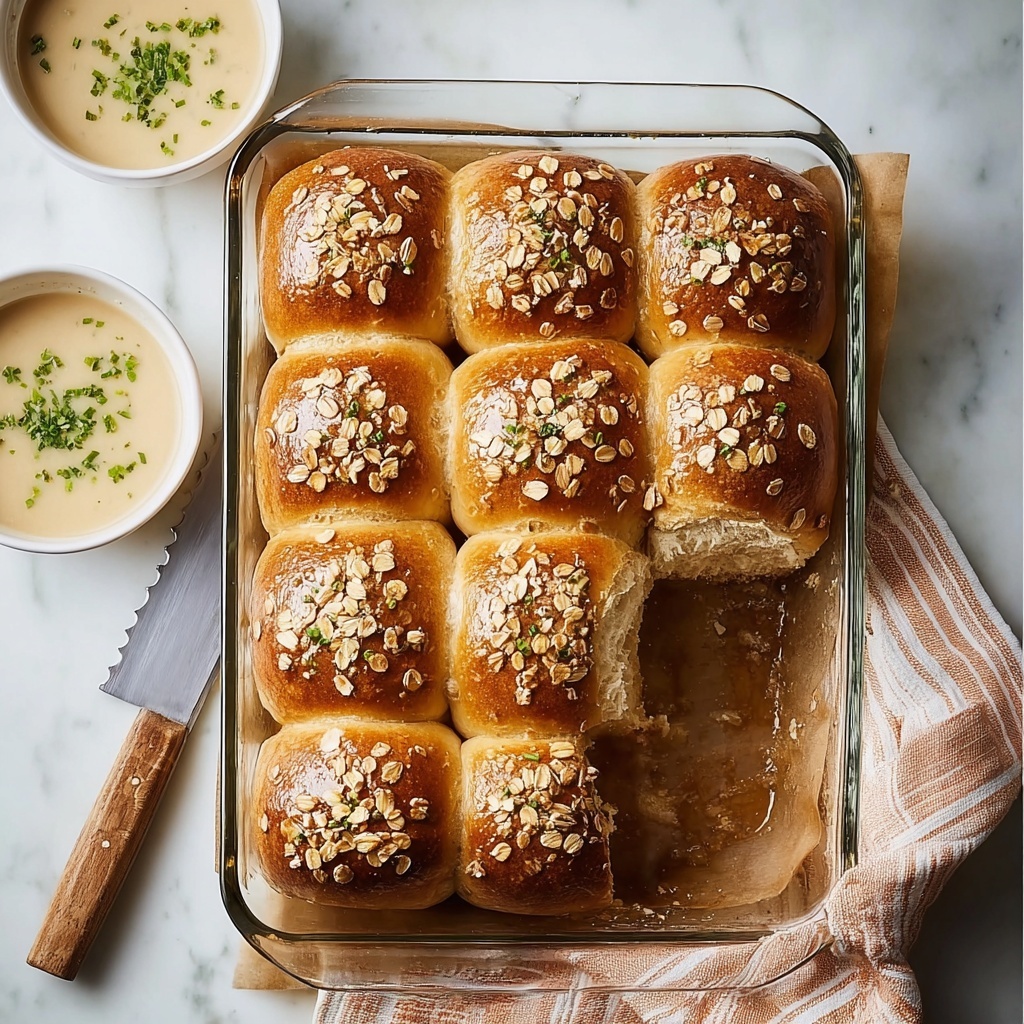
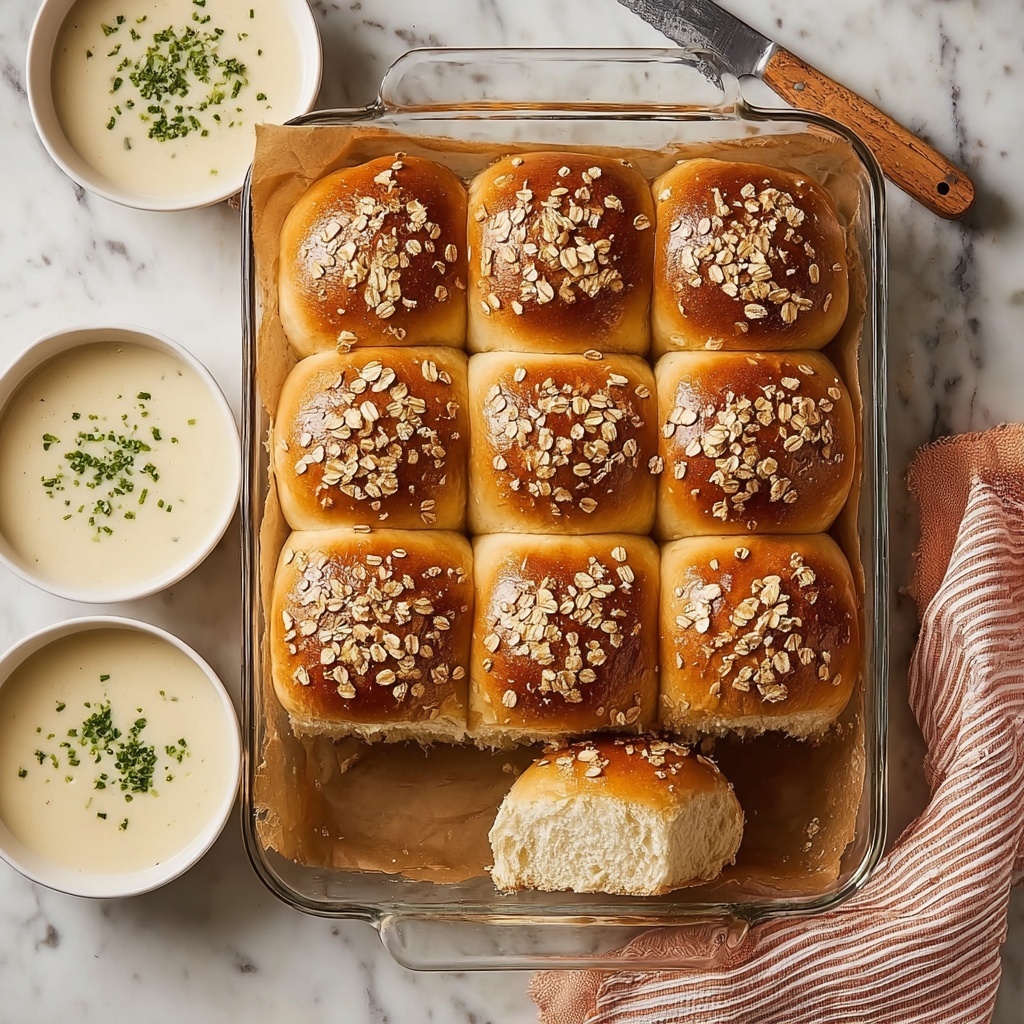
If you’re searching for a cozy, inviting bread to bring warmth and a hint of wholesome sweetness to your table, this Oatmeal Molasses Dinner Rolls Recipe will quickly become your new favorite. These rolls boast a tender crumb thanks to the oats and a rich, distinctive flavor from the molasses that’s perfectly balanced with a touch of brown sugar. Soft, slightly sweet, and sporting a golden, oat-studded crust, they make every meal feel like a special occasion. Whether you’re serving a holiday feast, a Sunday dinner, or just craving fresh homemade bread, these rolls deliver comfort and charm in every bite.
Ingredients You’ll Need
Creating these delightful Oatmeal Molasses Dinner Rolls is surprisingly simple thanks to a handful of accessible, quality ingredients. Each plays a crucial role: the molasses gives that deep, robust sweetness, oats add texture and nutrition, and the yeast creates the perfect rise for soft, fluffy rolls.
- Water, warmed to 110°F (43°C): Activates the yeast for that perfect rise, ensuring light, airy rolls.
- Whole milk, warmed to 110°F (43°C): Adds richness and tenderness to the dough for a softer crumb.
- Unsalted butter, softened: Brings moisture and a velvety texture to the rolls.
- Molasses (avoid blackstrap; Grandma’s recommended): The star ingredient that infuses the dough with deep, warm sweetness and a rich color.
- Egg white and water (for egg wash): Gives the rolls a beautiful, glossy finish and helps oats stick to the top.
- Platinum instant yeast from Red Star: Reliable yeast that promises a consistent rise without fuss.
- Light or dark brown sugar: Enhances the molasses’ sweetness and helps with browning.
- Old-fashioned whole rolled oats: Adds hearty texture and visual rustic charm to the rolls.
- Bread flour: Provides enough gluten strength for structure and a tender crumb.
- Salt: Balances sweetness and enhances all other flavors beautifully.
How to Make Oatmeal Molasses Dinner Rolls Recipe
Step 1: Activate the yeast mixture
Start by whisking together the warm water, warm milk, yeast, and one tablespoon of brown sugar in your mixer’s bowl. Cover and let it sit for 5 to 10 minutes until it bubbles up and looks foamy. This bubbling signals that your yeast is alive and ready to do its magic!
Step 2: Combine the dough ingredients
Now add the remaining brown sugar, molasses, softened butter, oats, salt, and one cup of bread flour to the yeast mixture. Mix on low speed for one minute, then scrape down the sides. Gradually add the remaining flour, continuing to mix on medium speed until the dough pulls away from the bowl. If the dough feels too sticky, sprinkle in additional flour one tablespoon at a time—this is your chance to feel the dough’s texture evolving.
Step 3: Knead the dough
Knead either using your stand mixer for 5 to 8 minutes or by hand on a lightly floured surface for the same amount of time. The dough should be soft and slightly tacky but manageable. Give it a gentle poke; if it slowly bounces back, you’re in great shape and ready for the next step.
Step 4: First rise
Lightly grease a large bowl and place your dough inside. Turn it around to coat all sides with oil, then cover it with plastic wrap or a clean kitchen towel. Find a warm spot and let the dough rise until it doubles in size—this should take about an hour and a half to two hours.
Step 5: Prepare your baking vessel
While your dough rises, grease a 9×13-inch baking pan or two 9-inch pans with butter or oil. You can also line them with parchment paper for easier cleanup. Cast-iron skillets or baking sheets lined with parchment work well, too—in other words, use what you’ve got on hand!
Step 6: Shape the rolls
Punch down the risen dough to release excess air and divide it into 15 equal parts, each about 68 to 70 grams. Shape each portion into a smooth ball by stretching the dough’s surface and pinching the bottom closed to seal well. Arrange your dough balls in the prepared pan, giving them a bit of breathing room to puff up nicely.
Step 7: Second rise
Cover the shaped rolls again with plastic wrap or a clean towel and let them rise until puffy, usually between 30 and 60 minutes. This rise will give them that irresistible softness and perfect lightness.
Step 8: Bake the rolls
Preheat your oven to 350°F (177°C), placing the rack in a lower position to prevent the tops from browning too quickly. Brush the rolls with the egg white wash and sprinkle extra oats on top for a lovely, rustic crust. Bake for 26 to 27 minutes, rotating halfway through to ensure even browning. If they start browning too fast, tent loosely with foil. They’re done when golden brown and an instant-read thermometer reads about 190°F (88°C) inside.
Step 9: Cool and enjoy
Allow your rolls to cool for a few minutes before digging in. The aroma and texture are worth the slight wait!
How to Serve Oatmeal Molasses Dinner Rolls Recipe
Garnishes
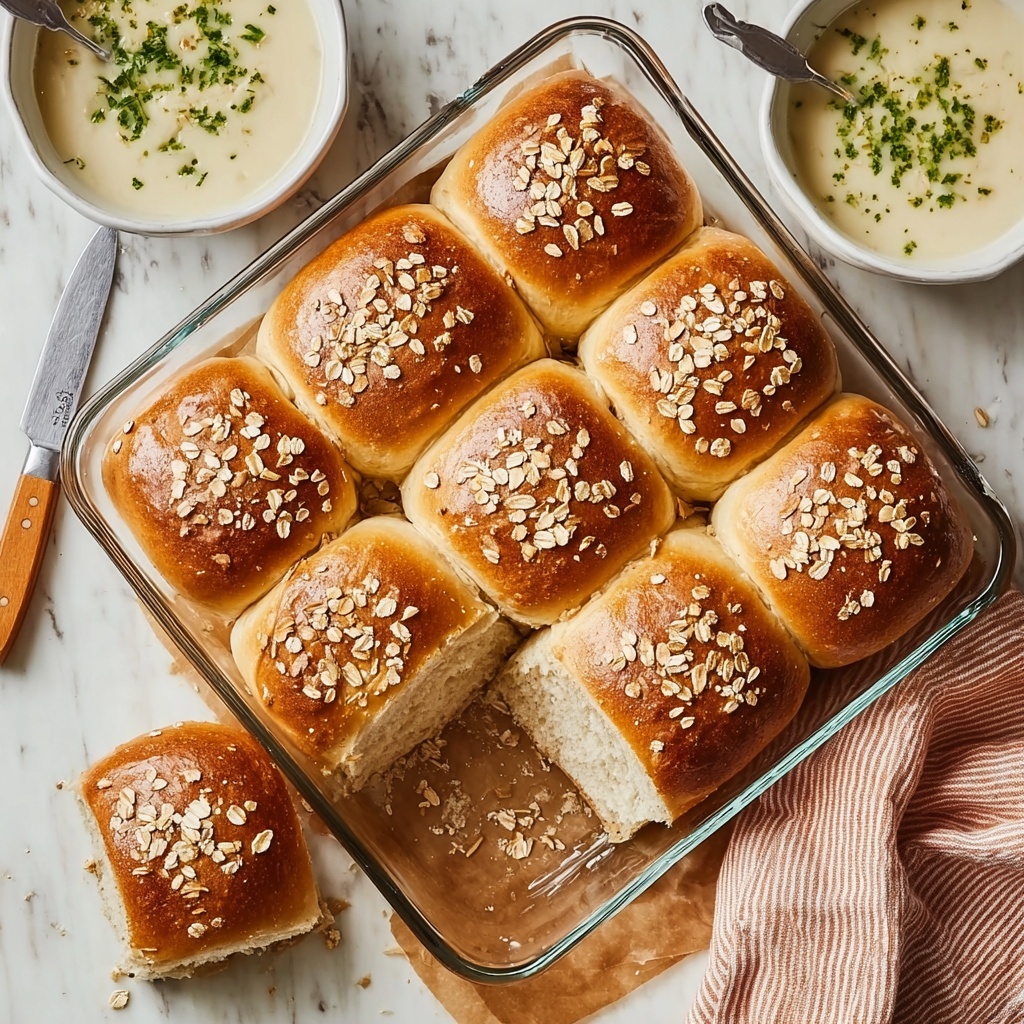
For an inviting look, a light sprinkle of extra rolled oats on top just before baking is perfect. After baking, you can brush finished rolls with a small amount of melted butter for an even shinier, richer crust that’s super inviting. A dusting of flaky sea salt can also enhance their sweet-savory balance and make each bite pop.
Side Dishes
These rolls pair beautifully with soups like butternut squash or creamy tomato basil. They’re also wonderful alongside roasted chicken, honey-glazed ham, or a fresh green salad for a lighter meal. The subtle sweetness complements savory dishes and adds a hearty touch to vegetable stews or chili.
Creative Ways to Present
Serve the rolls warm in a rustic basket lined with a cozy linen napkin. For brunch, slice them in half and fill with smoky bacon and cheese or sweet jam and cream cheese. You can also turn them into mini sliders for an unforgettable appetizer or party snack—invite your guests to build their own!
Make Ahead and Storage
Storing Leftovers
Keep leftover rolls in an airtight container at room temperature for up to 3 days to maintain softness. If your kitchen is warm or humid, refrigeration is fine for up to a week, though you may want to gently reheat them before serving for the best texture.
Freezing
If you want to prep ahead or save some for later, these rolls freeze beautifully. Wrap them tightly in plastic wrap and place inside a freezer bag or container. They can be frozen for up to three months without losing their delightful texture and flavor.
Reheating
Thaw frozen rolls overnight in the fridge or at room temperature for a couple of hours. Warm them in a 300°F (150°C) oven for 10 to 15 minutes, covered loosely with foil to prevent drying out. Alternatively, a quick zap in the microwave wrapped in a damp paper towel brings back softness in a pinch.
FAQs
Can I use a different type of molasses?
For this recipe, it’s best to avoid blackstrap molasses because it’s quite bitter and overpowering. Stick to mild or robust molasses, like Grandma’s brand, to retain the perfect balance of sweetness and depth.
What if I don’t have instant yeast?
You can substitute active dry yeast, but you’ll need to activate it first by dissolving it in your warm liquids and waiting for it to foam before adding other ingredients. The rising times may also vary slightly.
Can I make these rolls gluten-free?
Unfortunately, bread flour is important here for the dough’s structure and elasticity. To make a gluten-free version, you’d need a different recipe designed specifically for gluten-free flours and binding agents.
Why are my rolls dense and not fluffy?
This usually means the dough didn’t rise enough or that too much flour was added. Be sure your liquids are warm (not hot) to activate yeast properly, and don’t over-flour when kneading—aim for slightly tacky dough that bounces back.
Can I add flavors or toppings?
Absolutely! A sprinkle of cinnamon, chopped nuts, or seeds like sunflower or sesame can complement the molasses flavor beautifully. Just add them during shaping or sprinkle on top before baking.
Final Thoughts
Treat yourself and your loved ones to these warm, tender, and richly flavored Oatmeal Molasses Dinner Rolls Recipe. They’re not just bread—they’re a comforting hug at the end of a day, an elevated companion for any meal, and a delightful project to enjoy in the kitchen. Give the recipe a try and watch these rolls become the highlight of your baking repertoire.
Print
Oatmeal Molasses Dinner Rolls Recipe
- Prep Time: 20 minutes
- Cook Time: 27 minutes
- Total Time: 3 hours 50 minutes
- Yield: 15 rolls
- Category: Bread
- Method: Baking
- Cuisine: American
Description
These Oatmeal Molasses Dinner Rolls are soft, slightly sweet, and packed with wholesome oats and rich molasses flavor. Perfect for a comforting dinner side or a hearty sandwich base, these rolls boast a tender crumb and a golden-brown crust topped with a sprinkle of oats. Made with simple ingredients and an easy yeast dough, they offer a delicious twist on classic dinner rolls with a mild molasses sweetness and satisfying texture.
Ingredients
Wet Ingredients
- 1 cup (240g/ml) water, warmed to about 110°F (43°C)
- 1/3 cup (80g/ml) whole milk, warmed to about 110°F (43°C)
- 4 tablespoons (56g) unsalted butter, softened to room temperature and cut into 4 pieces
- 3 tablespoons (64g) molasses (do not use blackstrap; preferred Grandma’s brand)
- 1 egg white beaten with 1 teaspoon of water (for egg wash)
Dry Ingredients
- 1 tablespoon (9g) Platinum Yeast from Red Star instant yeast
- 3 tablespoons light or dark brown sugar, divided
- 1 cup (85g) old-fashioned whole rolled oats, plus more for topping
- 3 and 1/2 cups (455g) bread flour (spooned & leveled), plus more as needed
- 1 teaspoon salt
Instructions
- Prepare the Dough: Whisk the warm water, milk, yeast, and 1 tablespoon of brown sugar together in the bowl of your stand mixer. Cover and let sit for 5–10 minutes until foamy. If you don’t have a stand mixer, mix in a large bowl using a wooden spoon or spatula.
- Mix Ingredients: Add the remaining 2 tablespoons brown sugar, molasses, butter, oats, salt, and 1 cup flour to the yeast mixture. Mix on low speed for 1 minute, scrape down the sides, then add the remaining 2 and 1/2 cups flour. Beat on medium speed until dough forms and pulls from the sides of the bowl, about 2 minutes. Add flour by tablespoon if the dough is too wet.
- Knead the Dough: Knead the dough in the mixer for 5–8 minutes or knead by hand on a lightly floured surface for the same amount of time, adding small amounts of flour if sticky. The dough should be soft, slightly tacky, but manageable. Test readiness by poking the dough; it should slowly bounce back.
- First Rise: Lightly grease a large bowl with oil or spray. Place the dough inside, turning to coat all sides. Cover with plastic wrap or a towel and let rise in a warm place for 1.5–2 hours until doubled in size.
- Prepare the Baking Pan: Grease a 9×13-inch pan or two 9-inch pans, or line with parchment paper. Alternatively, a cast-iron skillet or baking sheet lined with parchment can be used.
- Shape the Rolls: Punch down the risen dough and divide it into 15 equal pieces (about 68–70g each). Shape each piece into a smooth ball by stretching the top surface and pinching the bottom closed. Arrange the rolls in the prepared pan.
- Second Rise: Cover the shaped rolls with plastic wrap or a clean towel. Let them rise until puffy, about 30–60 minutes.
- Preheat Oven: Adjust the oven rack to a lower position to prevent the tops from burning. Preheat your oven to 350°F (177°C).
- Bake the Rolls: Brush the rolls with the egg wash and lightly sprinkle additional oats on top. Bake for 26–27 minutes until golden brown, rotating the pan halfway through baking. If the tops brown too quickly, cover them loosely with foil. The rolls are done when an instant-read thermometer inserted into the center reads 190°F (88°C).
- Cool and Store: Let the rolls cool for a few minutes before serving. Store any leftovers tightly covered at room temperature for 2–3 days or refrigerate for up to 1 week.
Notes
- Use molasses other than blackstrap for a milder, sweeter flavor—Grandma’s brand is preferred.
- If dough feels too sticky during kneading, add flour a tablespoon at a time until manageable.
- Allow the dough enough time to rise fully to ensure soft, fluffy rolls.
- Adjust oven rack lower than center to prevent the tops from burning before the rolls fully bake.
- Use an instant-read thermometer to confirm doneness for perfect texture.
- Egg wash helps achieve a beautiful glossy golden crust.