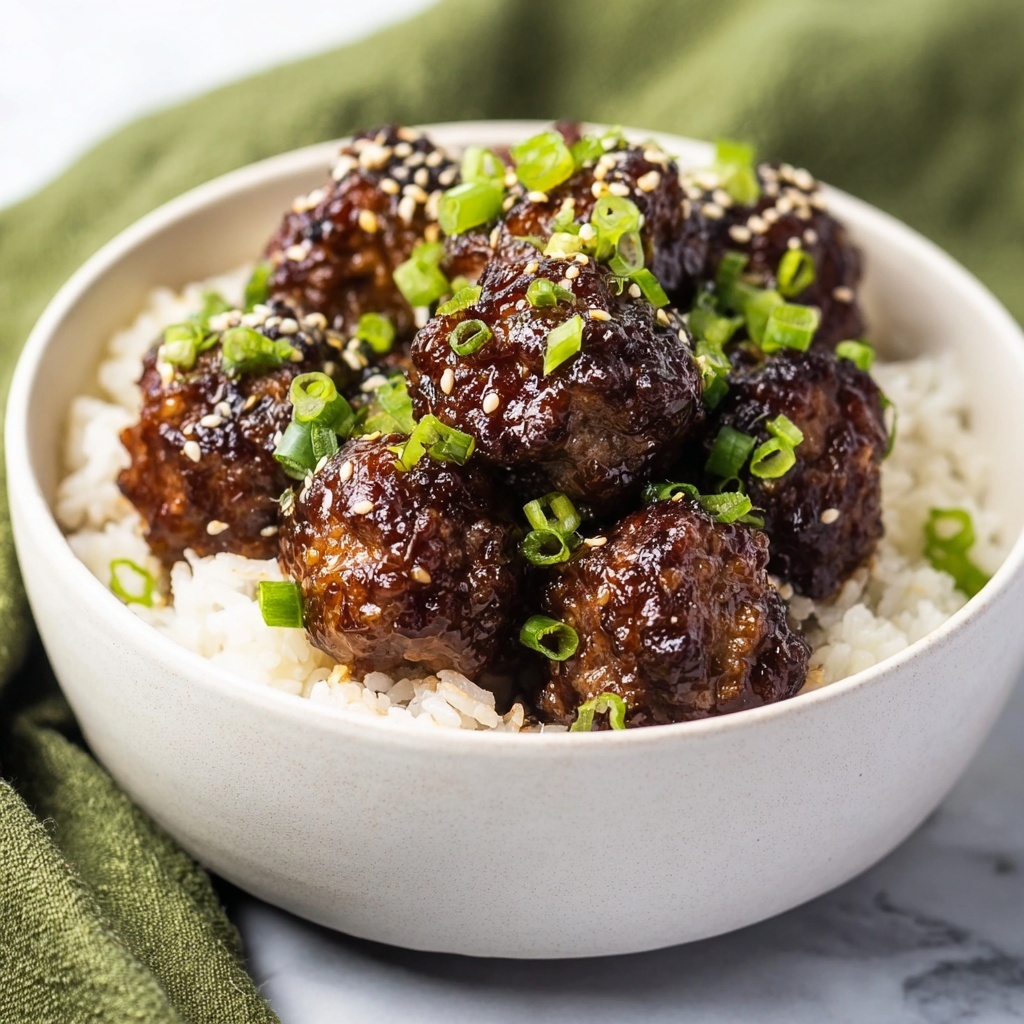
If you love dishes that bring a burst of bold, sweet, and savory flavors all in one bite, then this Korean Bulgogi Meatballs Recipe is going to become your new favorite. These tender, flavorful meatballs are infused with the classic elements of bulgogi marinade and glazed with a sticky, mouthwatering sauce that clings perfectly to every meatball. Whether you’re serving them as a fun appetizer or a satisfying main course, they capture the essence of Korean cuisine with an easy-to-make twist that’s sure to impress anyone at your table.
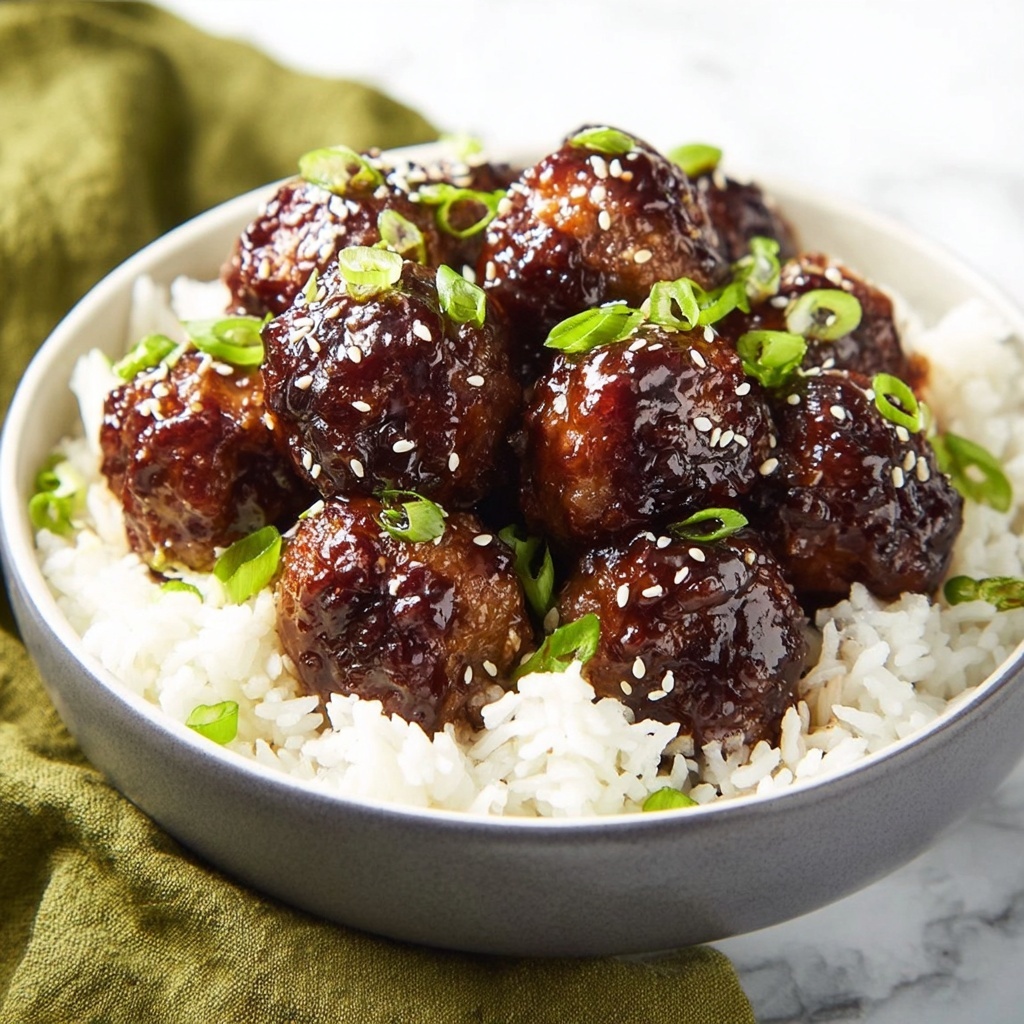
Ingredients You’ll Need
Every ingredient in this recipe is a star in its own right, contributing essential flavor, texture, or that vibrant touch of authenticity. You don’t need a long list to create magic here—just a handful of carefully chosen components that come together beautifully to make the perfect Korean Bulgogi Meatballs Recipe.
- Ground beef (or beef and pork mix): Provides a juicy, rich base that holds all the spices and flavors wonderfully.
- Breadcrumbs: Keeps the meatballs tender and gives them the right texture without making them dense.
- Egg: Acts as a binder to hold the meatball mixture together perfectly.
- Green onions: Add fresh, sharp notes that balance the richness of the meat.
- Garlic cloves: Offer a fragrant depth that’s essential in Korean cooking.
- Soy sauce: Brings umami and saltiness that forms the backbone of the marinade and glaze.
- Sesame oil: Adds a toasty, nutty aroma that makes every bite irresistible.
- Brown sugar: Imparts subtle sweetness that balances savory elements beautifully.
- Ground ginger: Offers a warm, slightly spicy undertone supporting the other flavors.
- Black pepper: Provides mild heat and complexity.
- Rice vinegar: Adds acidity to brighten the glaze and cut richness.
- Honey: Helps create a tacky, glossy finish on the meatballs.
- Cornstarch slurry: Thickens the bulgogi glaze so it coats the meatballs perfectly.
- Toasted sesame seeds and chopped green onions (optional garnishes): Elevate the dish with a touch of crunch and fresh color.
How to Make Korean Bulgogi Meatballs Recipe
Step 1: Mix and Shape the Meatballs
Begin by preheating your oven to 400°F (200°C) and prepping a baking sheet with parchment paper so the meatballs don’t stick. In a large bowl, gently combine the ground meat, breadcrumbs, egg, green onions, garlic, soy sauce, sesame oil, brown sugar, ginger, and black pepper. The key here is to mix just enough for everything to come together—overmixing can make the meatballs tough. Next, shape the mixture into uniform 1-inch balls and arrange them on your baking sheet, leaving space between each ball for even cooking.
Step 2: Bake Until Golden and Cooked Through
Pop those meatballs in your preheated oven and bake them for about 15 to 18 minutes. You’re aiming for beautifully browned exteriors while ensuring the insides are fully cooked. The oven’s heat will do the heavy lifting here, giving you juicy results without the mess of frying.
Step 3: Prepare the Bulgogi Glaze
While your meatballs are baking, it’s time to whip up the signature glaze. In a small saucepan over medium heat, combine the soy sauce, brown sugar, rice vinegar, honey, sesame oil, and minced garlic. Bring this mixture to a gentle simmer, stimulating those gorgeous sweet and tangy notes typical of bulgogi. As soon as it begins to bubble, stir in the cornstarch slurry to thicken the sauce — keep stirring until you see it reach a luscious, glossy consistency. This process guarantees the glaze will cling perfectly to your meatballs.
Step 4: Coat Meatballs in the Glaze
Once the meatballs are out of the oven, toss them immediately in the warm bulgogi glaze, making sure every piece is generously coated in that sticky, flavorful sauce. Don’t be shy here—the glaze truly brings the Korean Bulgogi Meatballs Recipe to life, turning simple meatballs into something extraordinary.
How to Serve Korean Bulgogi Meatballs Recipe
Garnishes
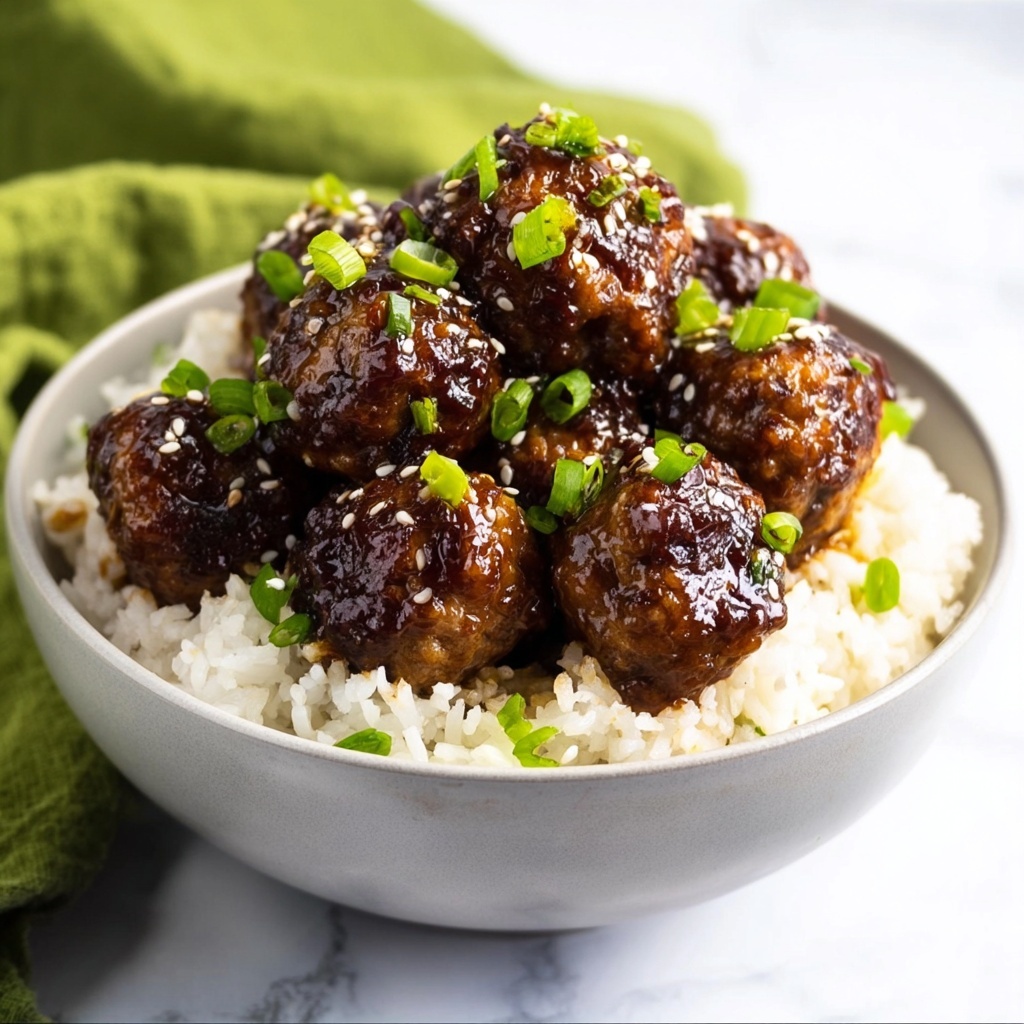
The finishing touches are what make your meatballs pop visually and flavor-wise. A sprinkle of toasted sesame seeds adds a subtle crunch and nutty accent, while finely chopped green onions offer a fresh bite and vibrant green color that makes the dish inviting at first glance.
Side Dishes
Korean Bulgogi Meatballs shine when paired with fluffy steamed rice or delicate noodles that soak up every bit of the glaze. You could also serve them alongside crisp, pickled vegetables or a simple cucumber salad for a balanced meal—fresh and crunchy elements contrast deliciously with the meatballs’ richness.
Creative Ways to Present
If you want to impress dinner guests or serve these at a casual party, try threading the meatballs on skewers with pieces of bell pepper and green onion. Or, create a meatball slider station with mini buns and assorted Korean-inspired toppings like kimchi or gochujang mayo. The warm, sticky glaze makes these meatballs incredibly versatile and fun to enjoy.
Make Ahead and Storage
Storing Leftovers
After enjoying your batch of Korean Bulgogi Meatballs, allow leftovers to cool completely. Store them in an airtight container in the refrigerator for up to 3 days. Keeping the meatballs and glaze separate can help maintain texture, but if already coated, they will still taste fantastic.
Freezing
This Korean Bulgogi Meatballs Recipe is freezer-friendly, making it a great option for meal prep. Freeze cooked, unglazed meatballs on a baking sheet first, then transfer them to a freezer-safe container or bag. You can freeze the bulgogi glaze separately in a small airtight container. When ready to enjoy, simply thaw both and recoat the meatballs in warm glaze for a fresh-tasting meal.
Reheating
To reheat, gently warm the meatballs in a pan over medium heat or in the oven until heated through. Add the bulgogi glaze during reheating to revive that sticky, luscious coating. Avoid microwaving if possible, as the texture benefits from gentler heat, but it can work in a pinch if you’re short on time.
FAQs
Can I use other types of meat for the Korean Bulgogi Meatballs Recipe?
Absolutely! While ground beef or a mix with pork works best for that rich flavor, you can try ground chicken or turkey for a leaner option. Just be mindful that the flavor and fat content will vary slightly.
Is the bulgogi glaze spicy?
The glaze in this recipe is sweet and savory without heat by default. However, you can add Korean chili paste (gochujang) to taste if you want to give it a spicy kick.
Can I make these meatballs gluten-free?
Yes! Swap regular soy sauce for a gluten-free tamari and use gluten-free breadcrumbs to keep the recipe accessible for gluten-sensitive diners without sacrificing taste.
What’s the best way to serve Korean Bulgogi Meatballs for a party?
For parties, serving the meatballs on skewers or as sliders is super fun and easy to eat. Offer dipping sauces or an array of garnishes to let guests customize their bites.
How long do these meatballs keep in the fridge?
Stored properly in an airtight container, you can keep leftovers for up to 3 days. Always check for freshness before consuming and reheat thoroughly.
Final Thoughts
This Korean Bulgogi Meatballs Recipe is a joyful way to bring the irresistible flavors of Korean cooking into your home kitchen with ease and flair. Packed with sweet, savory, and umami notes, they’re perfect for weeknight dinners, special occasions, or sharing with friends. Give them a try and watch how these little meatballs become a beloved staple in your recipe rotation—they truly are a delicious hug in every bite!
Print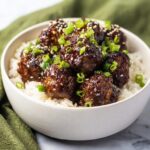
Korean Bulgogi Meatballs Recipe
- Prep Time: 15 minutes
- Cook Time: 20 minutes
- Total Time: 35 minutes
- Yield: 20–24 meatballs
- Category: Appetizer, Main Course
- Method: Baking
- Cuisine: Korean-Inspired
Description
These Korean Bulgogi Meatballs are a delicious fusion of traditional flavors and easy-to-make comfort food. Juicy ground beef meatballs are baked to perfection and coated in a sweet and savory bulgogi glaze made from soy sauce, brown sugar, and sesame oil. Perfect as an appetizer or main course, they’re great served over rice or noodles for a satisfying meal.
Ingredients
For the meatballs:
- 1 pound ground beef (or a mix of beef and pork)
- 1/4 cup breadcrumbs
- 1 egg
- 2 green onions, finely chopped
- 2 cloves garlic, minced
- 1 tablespoon soy sauce
- 1 tablespoon sesame oil
- 1 tablespoon brown sugar
- 1/2 teaspoon ground ginger
- 1/4 teaspoon black pepper
For the bulgogi glaze:
- 1/4 cup low-sodium soy sauce
- 2 tablespoons brown sugar
- 1 tablespoon rice vinegar
- 1 tablespoon honey
- 1 teaspoon sesame oil
- 1 clove garlic, minced
- 1 teaspoon cornstarch mixed with 1 tablespoon water (slurry)
For garnish (optional):
- Toasted sesame seeds
- Chopped green onions
Instructions
- Preheat and prepare baking sheet: Preheat your oven to 400°F (200°C) and line a baking sheet with parchment paper to prevent sticking and make cleanup easier.
- Mix meatball ingredients: In a large bowl, combine the ground beef, breadcrumbs, egg, green onions, garlic, soy sauce, sesame oil, brown sugar, ground ginger, and black pepper. Mix gently until everything is just combined—avoid overmixing to keep meatballs tender.
- Form meatballs: Roll the mixture into approximately 1-inch diameter balls and arrange them evenly spaced on the prepared baking sheet.
- Bake meatballs: Place the baking sheet in the oven and bake the meatballs for 15 to 18 minutes, or until they are browned on the outside and cooked through in the center.
- Prepare the bulgogi glaze: While the meatballs are baking, combine soy sauce, brown sugar, rice vinegar, honey, sesame oil, and minced garlic in a small saucepan over medium heat. Bring the mixture to a gentle simmer.
- Thicken the glaze: Stir in the cornstarch slurry (cornstarch mixed with water) and continue cooking the sauce for 1 to 2 minutes, stirring constantly, until it thickens to a glaze consistency.
- Coat meatballs: Once the meatballs are cooked, toss them in the warm bulgogi glaze until they are thoroughly coated and shiny.
- Serve: Serve the glazed meatballs hot, garnished with toasted sesame seeds and chopped green onions if desired. They pair wonderfully with steamed rice or noodles for a complete meal.
Notes
- These meatballs freeze well—store cooked meatballs and glaze separately for best results.
- Add a dash of gochujang (Korean chili paste) to the glaze to add spicy heat.
- Ground pork can be substituted or mixed with beef for different flavor variations.
- Make sure not to overmix the meatball mixture to keep them tender and juicy.
- Use low-sodium soy sauce to better control the salt content.