
“`html
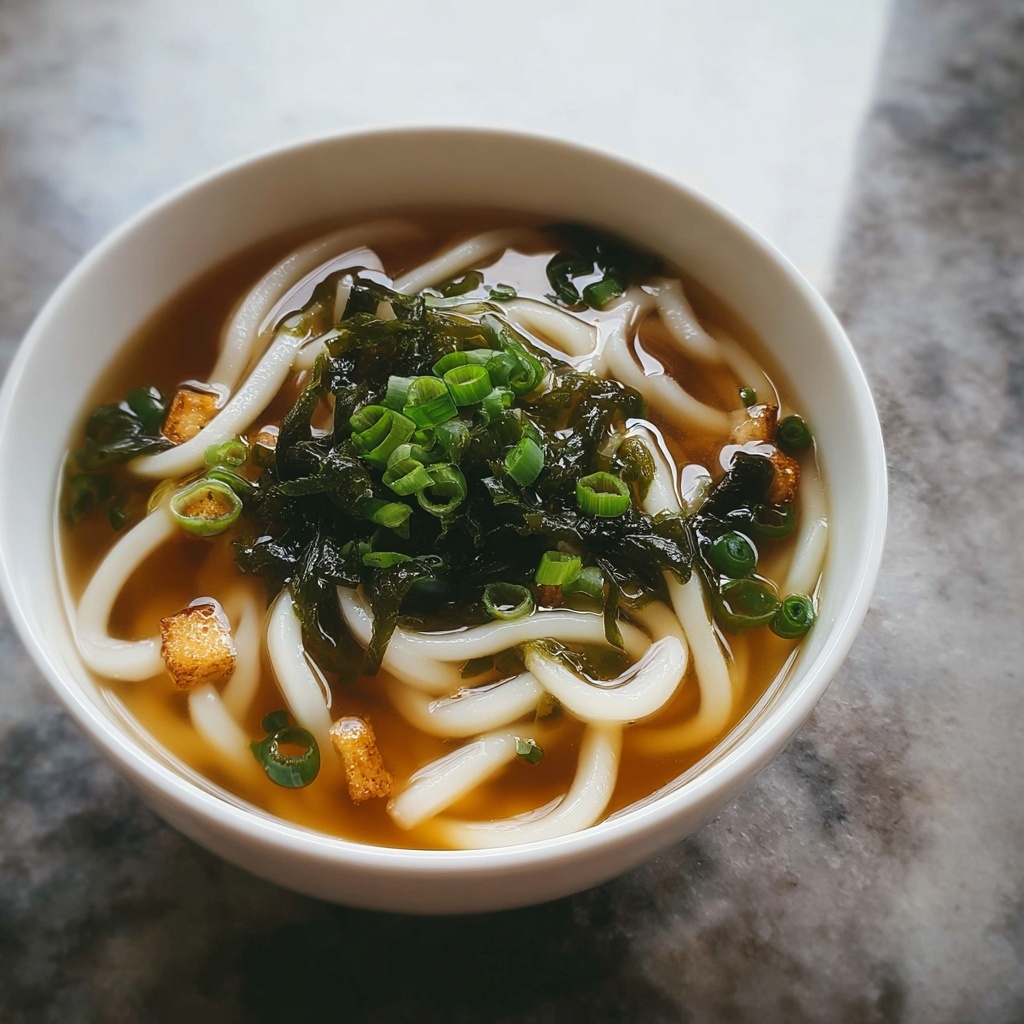
If you’re searching for a comforting, soul-soothing dish that brings the delicate flavors of Japan right into your kitchen, this Japanese Udon Soup Recipe is exactly what you need. It’s a simple yet elegant bowl of warmth, featuring thick, chewy udon noodles swimming in a subtly flavored broth made with dashi kombu, soy sauce, and mirin. Each spoonful offers a perfect balance of savory and sweet, enhanced by fresh green onions and crisp nori, making it a timeless classic that’s delightful on any day.
Ingredients You’ll Need
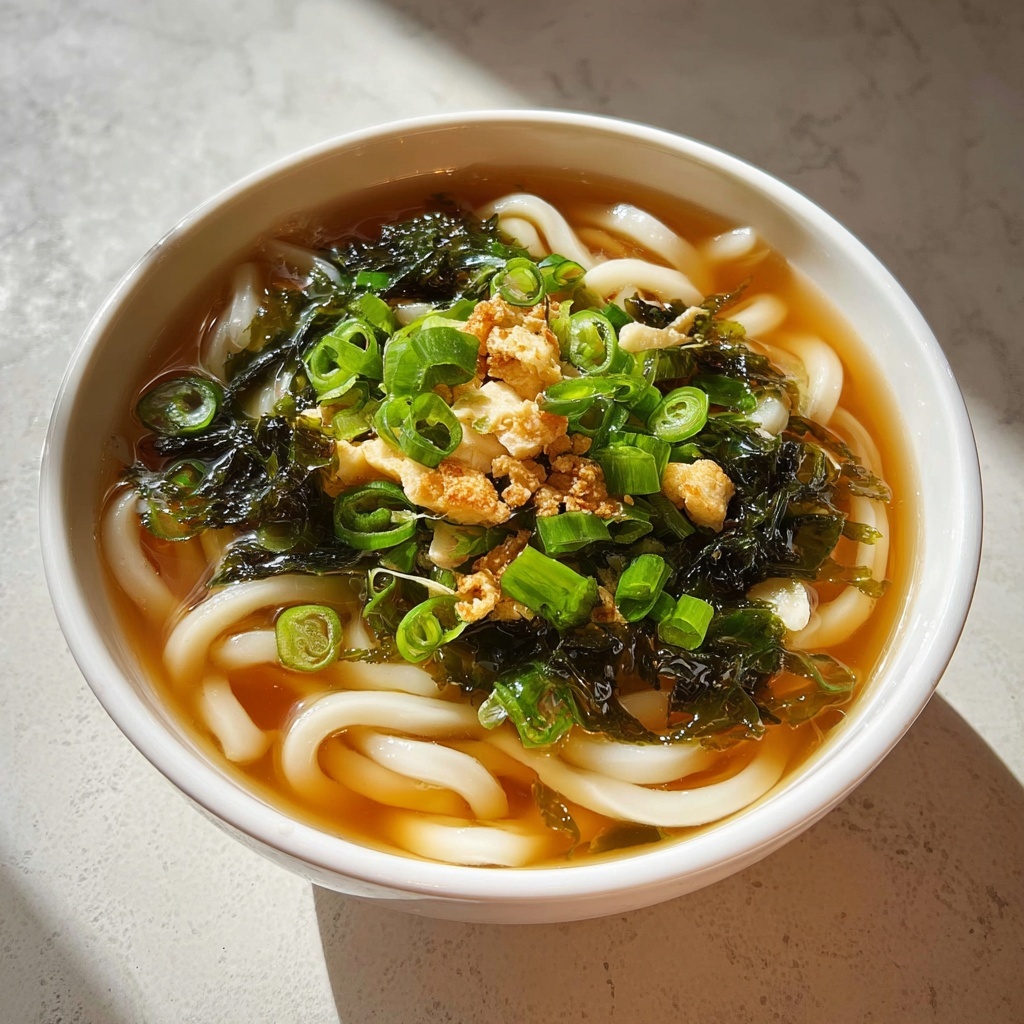
The magic in this Japanese Udon Soup Recipe comes from a handful of straightforward, essential ingredients, each thoughtfully chosen to bring out the authentic taste, texture, and color that makes this dish so special. Together, they create a harmonious combination you’ll want to return to again and again.
- 4 cups water: Acts as the perfect base to draw out the umami flavor from the kombu.
- 1 piece dashi kombu (dried kelp) (about 4 inches): The heart of the broth, delivering a rich and subtle sea-inspired flavor.
- 2 tbsp soy sauce: Adds a salty, savory depth that balances the sweetness.
- 1 tbsp mirin: A touch of gentle sweetness and mild acidity that rounds out the broth.
- 1 tsp sugar: Enhances all the other flavors and smooths the broth’s profile.
- 200 g udon noodles (fresh or dried): Thick, chewy noodles that provide a satisfying bite and soak up the broth beautifully.
- 2 green onions (thinly sliced): Fresh and vibrant garnish offering a subtle sharpness and crunch.
- 1 sheet nori (cut into strips): Adds a hint of crispy sea flavor and visual appeal.
How to Make Japanese Udon Soup Recipe
Step 1: Prepare the Kombu Broth
Start by soaking your piece of dashi kombu in 4 cups of water for about 10 minutes in a medium pot. This soaking allows the seaweed to slowly release its signature umami flavor into the water, creating the foundation of your broth. After soaking, gently heat the pot over medium heat until the water is nearly boiling — careful not to let it fully boil, as that can cause bitterness. At this point, remove the kombu so that the broth stays delicate and pure.
Step 2: Season the Broth
With your kombu-infused broth gently simmering, stir in the soy sauce, mirin, and sugar. This combination brings together the classic sweet and salty flavor profile that defines authentic Japanese udon soup. Let it simmer for about 5 minutes to meld those flavors perfectly, so every spoonful is well-balanced and satisfying.
Step 3: Cook the Udon Noodles
While your broth simmers, cook the udon noodles according to the package instructions — whether fresh or dried, make sure they’re tender but still retain that signature chewiness. Once cooked, drain the noodles and rinse them briefly under cold water. This quick rinse stops cooking and prevents them from becoming mushy, maintaining the ideal texture for your soup.
Step 4: Assemble Your Soup
Divide the noodles evenly between two bowls to portion your meal just right. Pour the hot, aromatic broth over the noodles, letting them soak up the flavor as you prepare the final touches. This is when the simple ingredients truly come together to create a visually appealing and utterly delicious bowl of comfort.
Step 5: Add Fresh Toppings
Top each bowl with thinly sliced green onions and strips of nori. These garnishes add freshness, a mild crunch, and a subtle sea breeze flavor that perfectly complements the soothing broth and chewy noodles. At this point, your homemade Japanese Udon Soup Recipe is ready to be enjoyed!
How to Serve Japanese Udon Soup Recipe
Garnishes
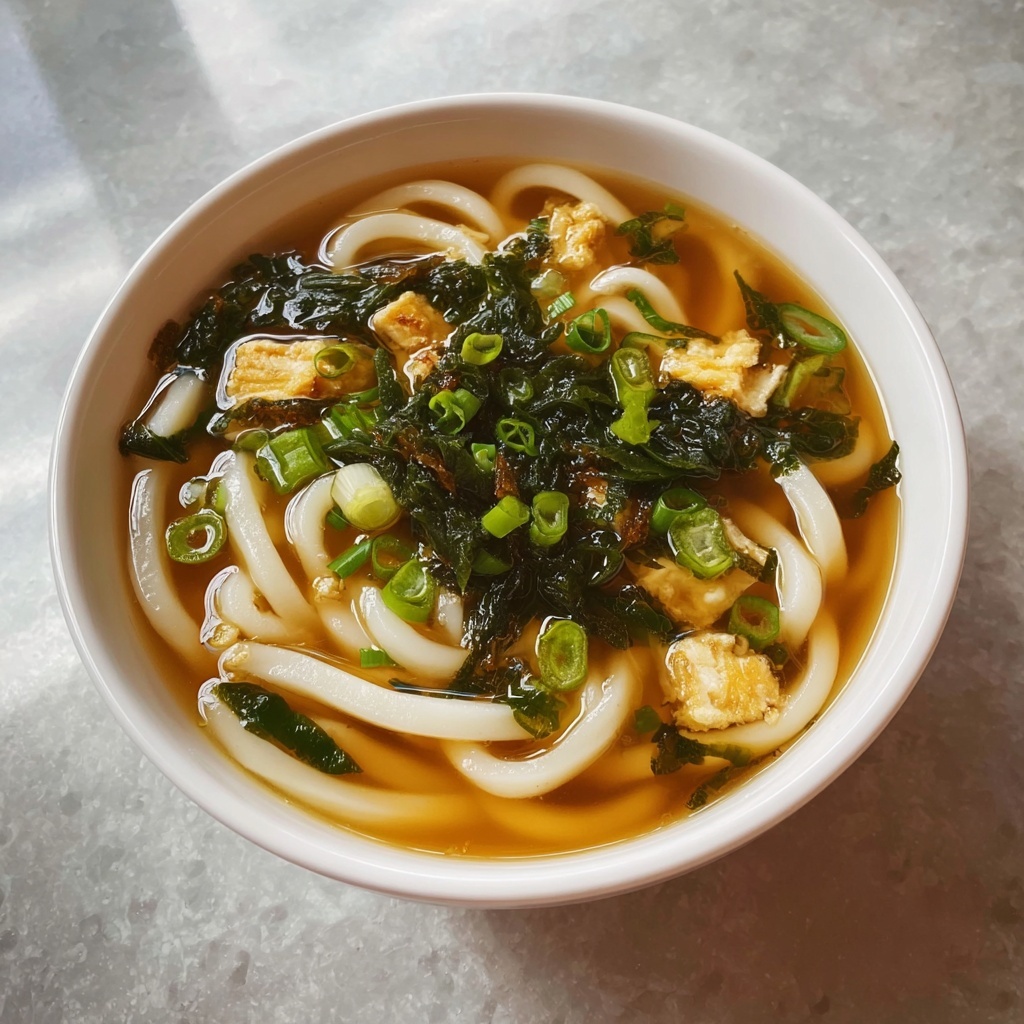
Green onions and nori strips are classic garnishes that add both texture and a burst of freshness to the dish. For an extra special touch, try sprinkling some toasted sesame seeds or adding a few slices of kamaboko (fish cake) if you want to get creative. These little additions can turn your udon soup into a more personalized and exciting meal without overpowering its gentle flavors.
Side Dishes
This delicate soup pairs wonderfully with light side dishes that won’t steal its spotlight. A simple cucumber salad dressed with rice vinegar or a small bowl of steamed edamame offer refreshing contrasts. For a heartier accompaniment, try a side of tempura vegetables or shrimp, which brings a satisfying crunch alongside your warm bowls.
Creative Ways to Present
To make your Japanese Udon Soup Recipe even more inviting, serve the noodles and broth in beautiful ceramic bowls with a rustic, handmade feel. A wooden soup spoon and a pair of chopsticks balanced across the bowl elevate the experience. For a communal occasion, consider setting out bowls of toppings on the side, allowing everyone to customize their soup exactly how they like it.
Make Ahead and Storage
Storing Leftovers
If you have any leftovers, store the broth and noodles separately in airtight containers in the refrigerator. This prevents the noodles from getting soggy as they would if they soaked in the broth for too long. Both components will keep well for up to 2 days, making it easy to enjoy this comforting soup on a busy day.
Freezing
While freezing the broth is possible, it’s not recommended to freeze cooked udon noodles because their texture can become mushy upon thawing. If you want to freeze the soup, freeze only the broth and prepare fresh noodles when you’re ready to enjoy it again. This way, you preserve the best texture and flavor.
Reheating
When reheating your Japanese Udon Soup Recipe, warm the broth gently on the stove until steaming hot but not boiling. Add freshly cooked or reheated noodles to the broth right before serving to keep them perfectly chewy. This simple step ensures you get the authentic taste and texture even as leftovers.
FAQs
Can I use instant dashi powder instead of kombu?
Absolutely! Instant dashi powder is a convenient alternative that still provides nice umami flavor, making your Japanese Udon Soup Recipe quicker without sacrificing taste. Just dissolve the powder in the water according to the package instructions.
Are there vegetarian options for this soup?
Yes, this recipe is naturally vegetarian as long as you use kombu without any added fish-based ingredients. Make sure your soy sauce and other condiments are also vegetarian-friendly for a fully plant-based version.
Can I add protein to the soup?
Definitely! Tofu cubes, thinly sliced chicken, shrimp, or even a soft-boiled egg added on top can turn your Japanese Udon Soup Recipe into a more filling meal without overwhelming the delicate broth.
How do I prevent the noodles from getting mushy?
Rinse your cooked udon noodles under cold water after draining and keep them separate from the broth until serving. This stops the cooking process and keeps the noodles pleasantly chewy.
What is the difference between udon and ramen noodles?
Udon noodles are thicker, chewier, and made from wheat flour, giving them a substantial texture that pairs beautifully with lighter broths like this one. Ramen noodles tend to be thinner and springier, often paired with richer, oilier broths.
Final Thoughts
This Japanese Udon Soup Recipe is a beautiful example of how a few simple, thoughtful ingredients can come together to create something both comforting and refined. It’s perfect for cozy nights, quick dinners, or whenever you want a little taste of Japan’s culinary charm. Give it a try, and I promise it will become one of your go-to favorites as well!
“`
Print
Japanese Udon Soup Recipe
- Prep Time: 10 minutes
- Cook Time: 15 minutes
- Total Time: 25 minutes
- Yield: 2 servings
- Category: Soup
- Method: Stovetop
- Cuisine: Japanese
Description
This comforting Japanese Udon Soup features a delicate kombu-based broth seasoned with soy sauce, mirin, and a hint of sugar, served over tender udon noodles and garnished with fresh green onions and nori strips. Perfect for a quick and nourishing meal that highlights traditional Japanese flavors.
Ingredients
Broth Ingredients
- 4 cups water
- 1 piece dashi kombu (dried kelp) (about 4 inches)
- 2 tbsp soy sauce
- 1 tbsp mirin
- 1 tsp sugar
Main Ingredients
- 200 g udon noodles (fresh or dried)
- 2 green onions (thinly sliced)
- 1 sheet nori (cut into strips)
Instructions
- Soak Kombu: In a medium pot, soak the dashi kombu in 4 cups of water for 10 minutes to extract umami flavors gently.
- Heat Broth: Place the pot over medium heat and warm until the water is nearly boiling; then remove the kombu to prevent bitterness.
- Season Broth: Add 2 tablespoons soy sauce, 1 tablespoon mirin, and 1 teaspoon sugar to the hot broth. Stir well and let it simmer gently for 5 minutes to blend the flavors.
- Cook Noodles: Prepare the udon noodles according to the package instructions, typically boiling fresh or dried noodles until tender. Once cooked, drain and rinse them under cold water to stop cooking and remove excess starch.
- Assemble Soup: Divide the prepared noodles evenly between two bowls. Pour the hot seasoned broth over the noodles to warm them through.
- Garnish and Serve: Top each bowl with sliced green onions and nori strips for added texture and flavor. Serve immediately for the best taste and experience.
Notes
- Use fresh udon noodles when available for a softer, chewier texture.
- Adjust soy sauce and sugar according to your taste preference to balance saltiness and sweetness.
- Do not boil kombu for too long to avoid bitterness in the broth.
- Rinsing noodles after cooking helps to prevent them from becoming sticky.
- Additional toppings like boiled eggs, tofu, or mushrooms can be added for variation.