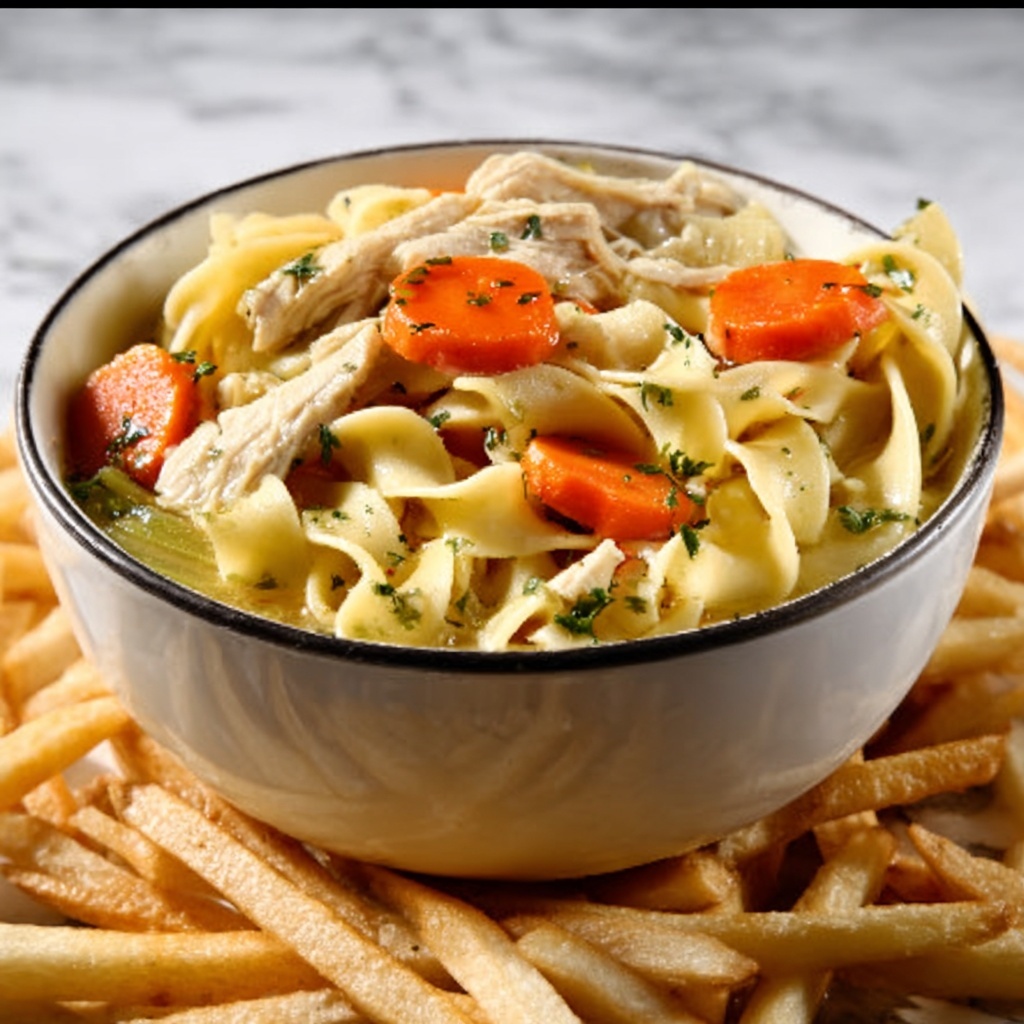
If you’ve ever craved the comforting texture and rich flavor of classic egg noodles but shyed away from the thought of making them yourself, let me introduce you to this delightful and foolproof Homemade Egg Noodles Recipe. It’s a true kitchen treasure, turning simple pantry staples into tender, fresh noodles that elevate any meal. From hearty soups to buttery sides, these noodles boast a soft, silky texture with just the right bite, giving you that homemade charm that store-bought versions simply can’t match. Once you try this recipe, you might never look back!
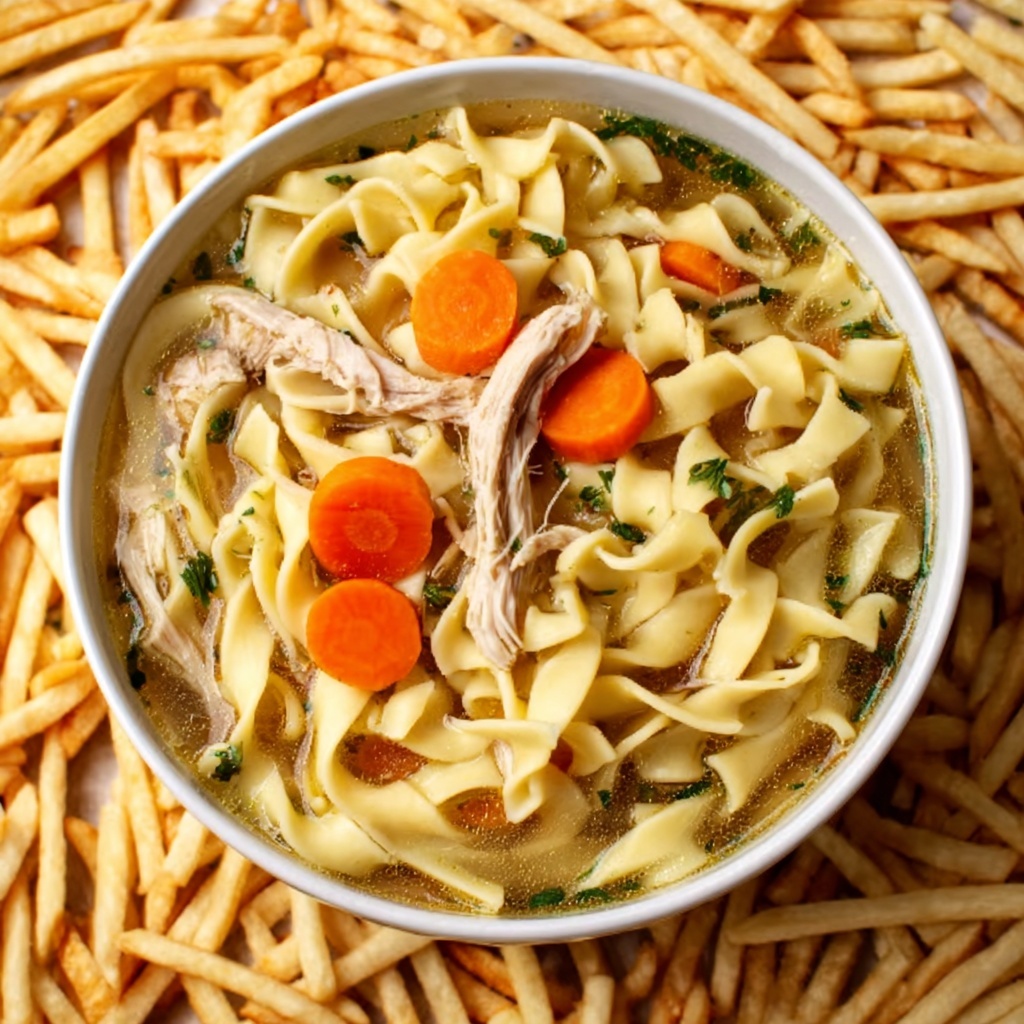
Ingredients You’ll Need
These ingredients couldn’t be more basic, yet each one plays an essential role in creating the perfect texture, flavor, and appearance of your homemade egg noodles.
- 2 cups all-purpose flour: The base of our dough, providing the structure and chewiness that egg noodles are known for.
- ½ teaspoon salt: Enhances the flavor and balances the richness of the eggs and butter.
- 2 large eggs: The star ingredient, lending richness, color, and binding the dough together beautifully.
- ¼ cup milk: Moistens the dough, making it pliable and easy to roll out thinly.
- 1 tablespoon butter (melted): Adds a touch of luxurious softness and helps keep the noodles tender.
How to Make Homemade Egg Noodles Recipe
Step 1: Combine the Dry and Wet Ingredients
Start by mixing the flour and salt in a large bowl. Make a well in the center and add the eggs, milk, and melted butter. Using a fork or your hands, gently bring the flour into the wet ingredients until a rough, shaggy dough begins to form.
Step 2: Knead Until Smooth and Elastic
Turn the dough onto a floured surface and knead with your hands for 5 to 7 minutes. This step transforms the dough from shaggy to smooth and elastic, which is key for a tender yet resilient noodle.
Step 3: Rest the Dough
Cover your dough with a damp towel or plastic wrap and let it rest at room temperature for 30 minutes. Resting relaxes the gluten, making it easier to roll out without springing back.
Step 4: Roll and Slice
Divide the dough into two portions for manageable rolling. On a floured surface, roll each piece out to about an eighth of an inch thickness (or thinner if you prefer). Use a sharp knife or pizza cutter to slice the dough into strips about a quarter-inch wide — classic egg noodle size that’s perfect in any dish.
Step 5: Cook or Store Your Noodles
For fresh cooking, boil your noodles in salted water for 3 to 5 minutes until tender but not mushy. To keep for later, let your noodles dry on a floured surface or drying rack for 1 to 2 hours before refrigerating or freezing, ensuring they don’t stick together.
How to Serve Homemade Egg Noodles Recipe
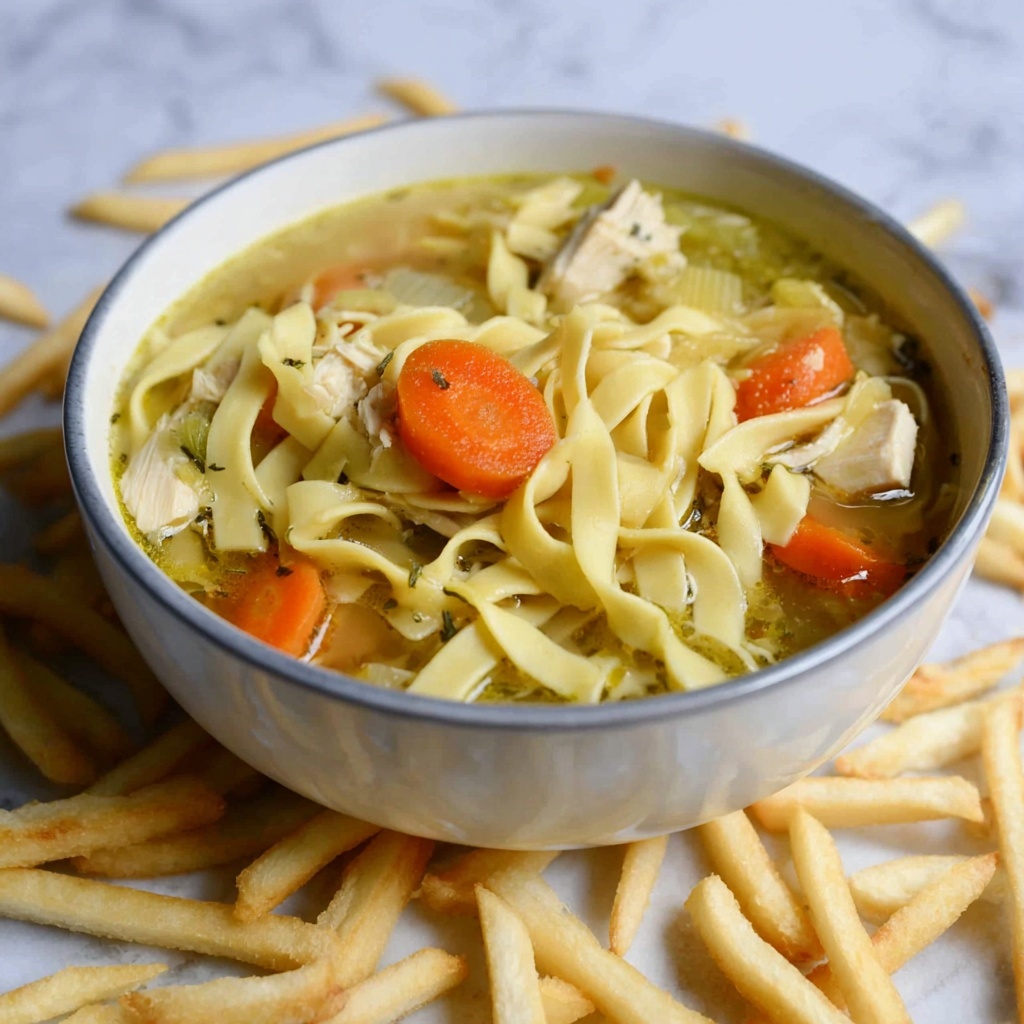
Garnishes
Elevate your noodles by tossing them with freshly chopped herbs like parsley, dill, or chives. A sprinkle of grated Parmesan or a drizzle of browned butter with minced garlic can add a wonderful finishing touch to enhance both flavor and aroma.
Side Dishes
These homemade noodles pair flawlessly with dishes like creamy chicken stroganoff, sautéed mushrooms and onions, or roasted vegetables. They also make a comforting side to grilled or roasted meats and can soak up delicious sauces like no other.
Creative Ways to Present
Try using your egg noodles as a base for a fresh spring salad with crisp greens, or toss them lightly with olive oil, lemon zest, and chili flakes for a simple yet elegant starter. You could also layer them in casseroles or bake them with cheese and cream for a rich pasta bake everyone will love.
Make Ahead and Storage
Storing Leftovers
If you’ve made more noodles than you can eat at once, spread them out on a floured tray and let them dry for an hour or two. Then transfer them to an airtight container and refrigerate for up to 2 days, keeping their texture intact and ready for your next meal.
Freezing
For longer storage, freeze your noodles in a single layer on a baking sheet until firm, then transfer them to a freezer-safe bag or container. Frozen eggs noodles keep well for up to 2 months and thaw quickly when you’re ready to cook.
Reheating
To reheat, simply boil the noodles straight from the fridge or freezer for a few minutes until warmed through. You can also lightly sauté them in butter to revive their softness and add a delicious golden crust.
FAQs
Can I use whole wheat flour instead of all-purpose flour?
Absolutely! Whole wheat flour can add nuttiness and extra fiber to your noodles, but keep in mind the texture might be slightly denser and you may need to adjust the liquid for softness.
Is it necessary to let the dough rest?
Yes, resting the dough helps relax the gluten so rolling it out becomes easier, and it prevents the noodles from shrinking while cooking.
Can I make these noodles without milk?
You can substitute milk with water or a milk alternative, but using milk contributes to a richer flavor and softer texture that’s characteristic of egg noodles.
How thin should I roll out the dough?
Rolling to about an eighth of an inch thick is ideal for tender yet substantial noodles, but if you like delicate noodles, feel free to roll even thinner.
What dishes work best with homemade egg noodles?
They are incredibly versatile! They shine in soups, stews, stroganoff, or simply tossed in butter and herbs. They’re a true comfort food staple that pairs beautifully with many meals.
Final Thoughts
I can’t wait for you to try this Homemade Egg Noodles Recipe and experience the simple joy of fresh, tender noodles made by your own hands. It’s a rewarding process that brings a homemade touch to your kitchen and turns even the most straightforward dishes into memorable meals. Give it a go and savor every bite of that old-fashioned goodness!
Print
Homemade Egg Noodles Recipe
- Prep Time: 20 minutes
- Cook Time: 5 minutes
- Total Time: 55 minutes
- Yield: 4 servings
- Category: Main Dish, Side Dish
- Method: Stovetop
- Cuisine: American, European
- Diet: Vegetarian
Description
This Homemade Egg Noodles recipe offers a simple and traditional way to make fresh pasta at home using basic pantry ingredients. These noodles are tender, easy to prepare, and perfect for soups, stroganoff, or served simply with butter. The dough is enriched with eggs and butter, yielding a rich flavor and silky texture that pairs beautifully with a variety of dishes.
Ingredients
Dough Ingredients
- 2 cups all-purpose flour
- ½ teaspoon salt
- 2 large eggs
- ¼ cup milk
- 1 tablespoon butter (melted)
Instructions
- Mixing the Dough: In a large mixing bowl, combine the flour and salt. Make a well in the center and add the eggs, milk, and melted butter. Using a fork or your hands, gradually mix the flour into the wet ingredients until a shaggy dough forms.
- Kneading: Turn the dough out onto a floured surface and knead for 5–7 minutes until it becomes smooth and elastic. Cover the dough with a damp towel or plastic wrap and let it rest for 30 minutes at room temperature to relax the gluten.
- Rolling the Dough: After resting, divide the dough into two portions for easier handling. Roll each piece out on a floured surface to about ⅛-inch thickness or thinner depending on your preference for noodle thickness.
- Cutting the Noodles: Using a sharp knife or pizza cutter, slice the rolled dough into strips about ¼ inch wide or to your desired noodle width.
- Cooking Fresh Noodles: Boil the fresh noodles in salted water for 3–5 minutes or until tender, then drain and serve as desired.
- Storing Noodles: To store, let noodles dry on a floured surface or drying rack for 1–2 hours. Refrigerate for up to 2 days or freeze for up to 2 months in an airtight container.
Notes
- These noodles work wonderfully in soups, stroganoff, or simply tossed with butter and herbs.
- For a richer dough, substitute 2 whole eggs with 3 egg yolks and 1 whole egg for an even silkier texture.
- Ensure the dough is rested properly to make rolling and cutting easier and to improve texture.
- Fresh noodles cook quickly, so keep an eye on them to avoid overcooking.